Choosing the Right Material for Your Laser Cutting Project in Brisbane, QLD
Laser cutting in Brisbane, QLD, is a critical process for engineering and operations managers looking to achieve precision results, efficient production, and streamlined projects across manufacturing, construction, mining, defence, transport, and industrial design sectors. Selecting the right material is the foundation for quality outcomes. This guide offers a practical overview of common laser fabrication materials, their properties, and essential factors such as thickness, density, and communication strategies.
Understanding Common Laser Cutting Materials
Laser fabrication technology has evolved to produce clean, accurate, and repeatable cuts across a wide array of materials. The most frequently utilised materials include:
Acrylic
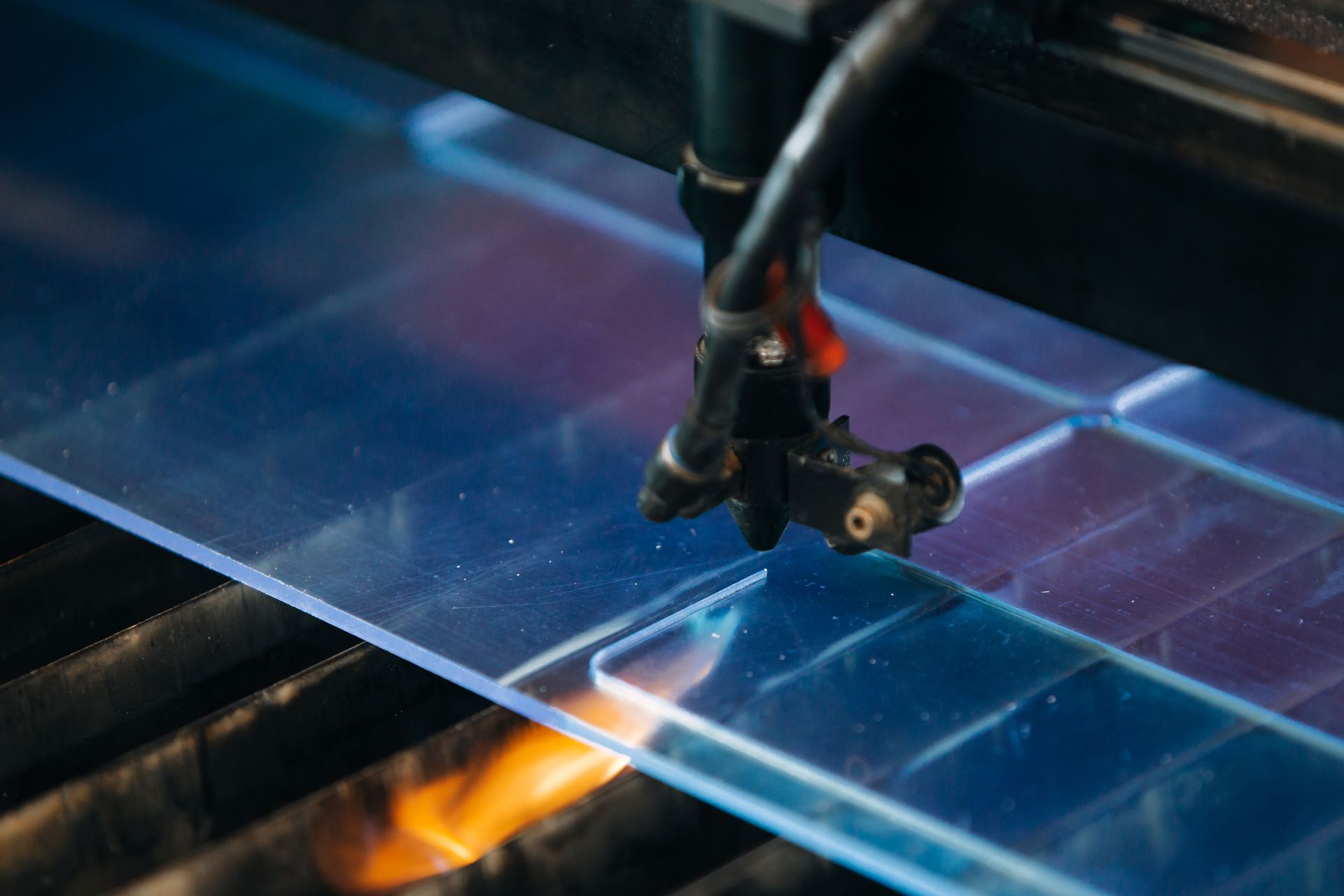
Acrylic is a popular choice due to its clarity, durability, and ease of cutting. It is used in signage, point-of-sale displays, architectural models, and safety guards. Acrylic produces sharp, polished edges with minimal post-processing. However, note that the type (cast vs. extruded) impacts edge quality and the final appearance.
Wood
From plywood to hardwoods and MDF, wood is frequently specified for jig components, prototypes, models, and architectural elements. Laser fabrication wood delivers crisp lines and intricate details, though burn marks can appear if not optimised. Grain direction and resin content may affect the finish and should be discussed with your provider.
Metal
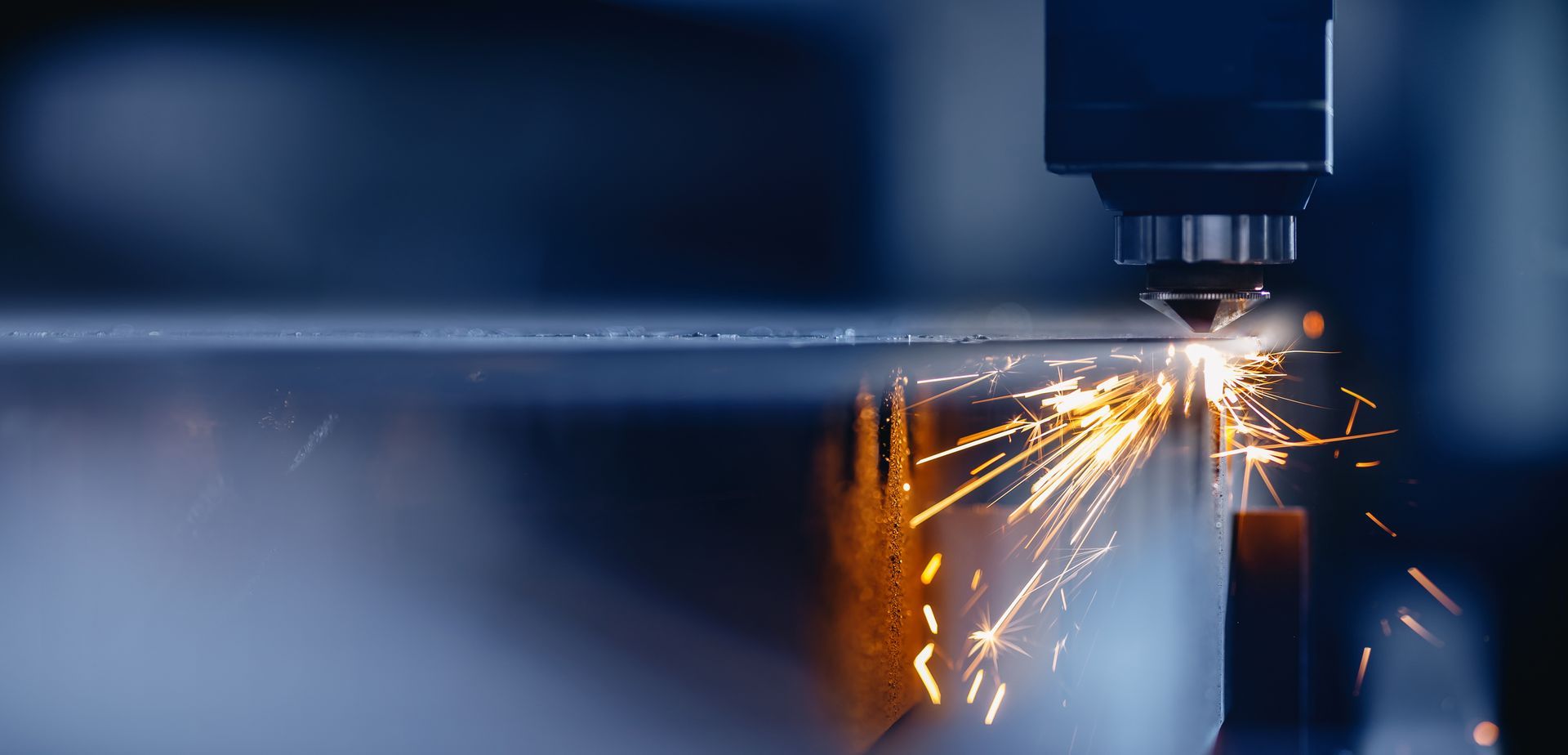
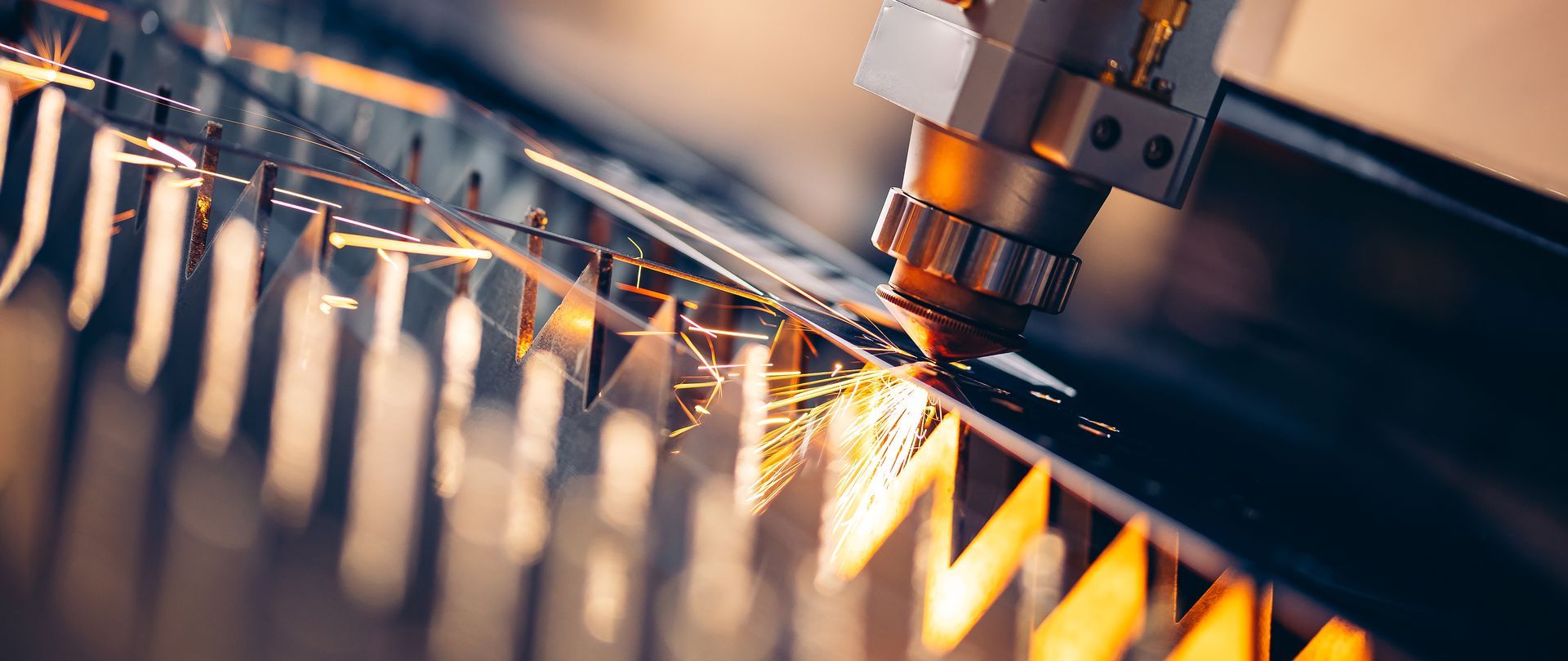
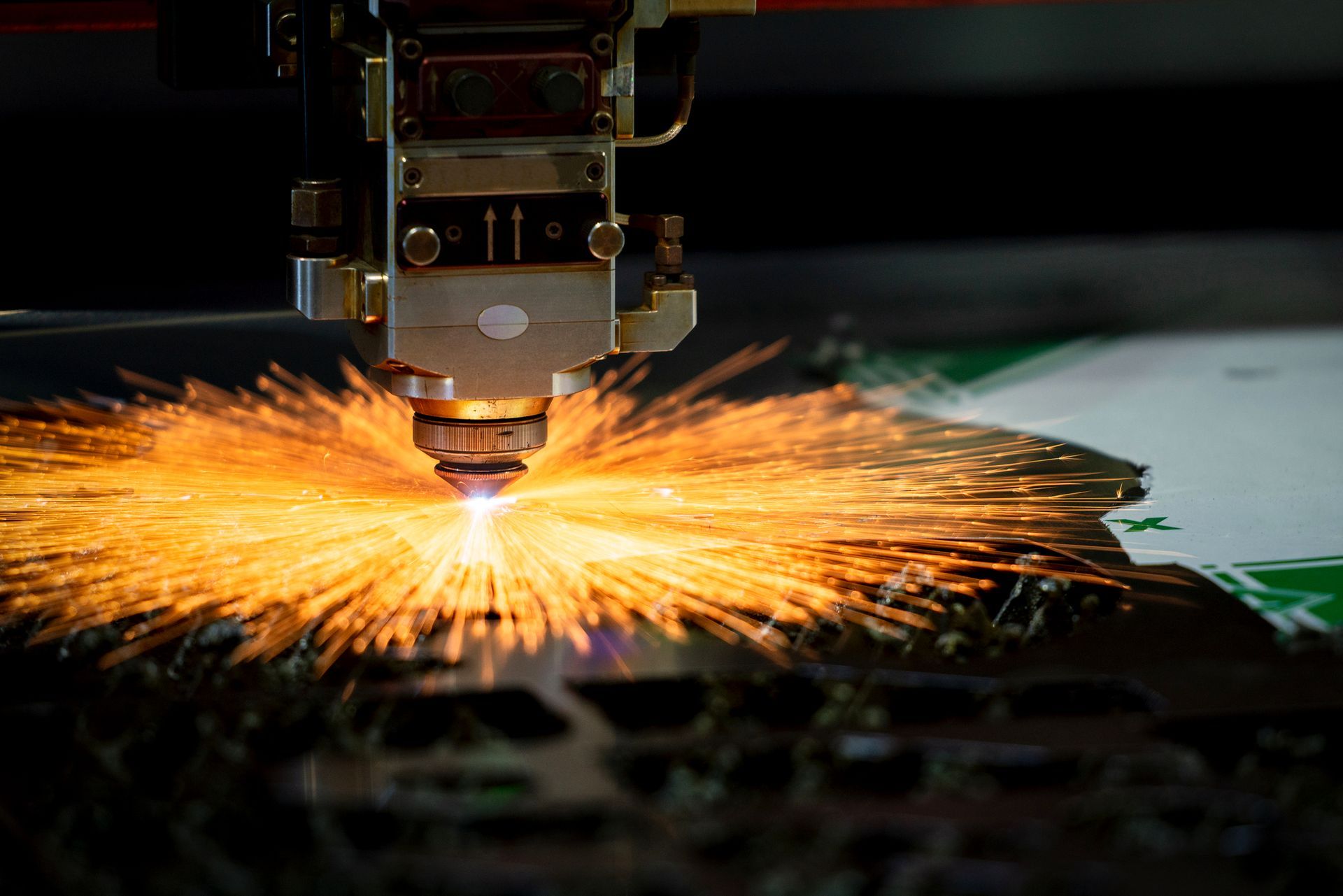
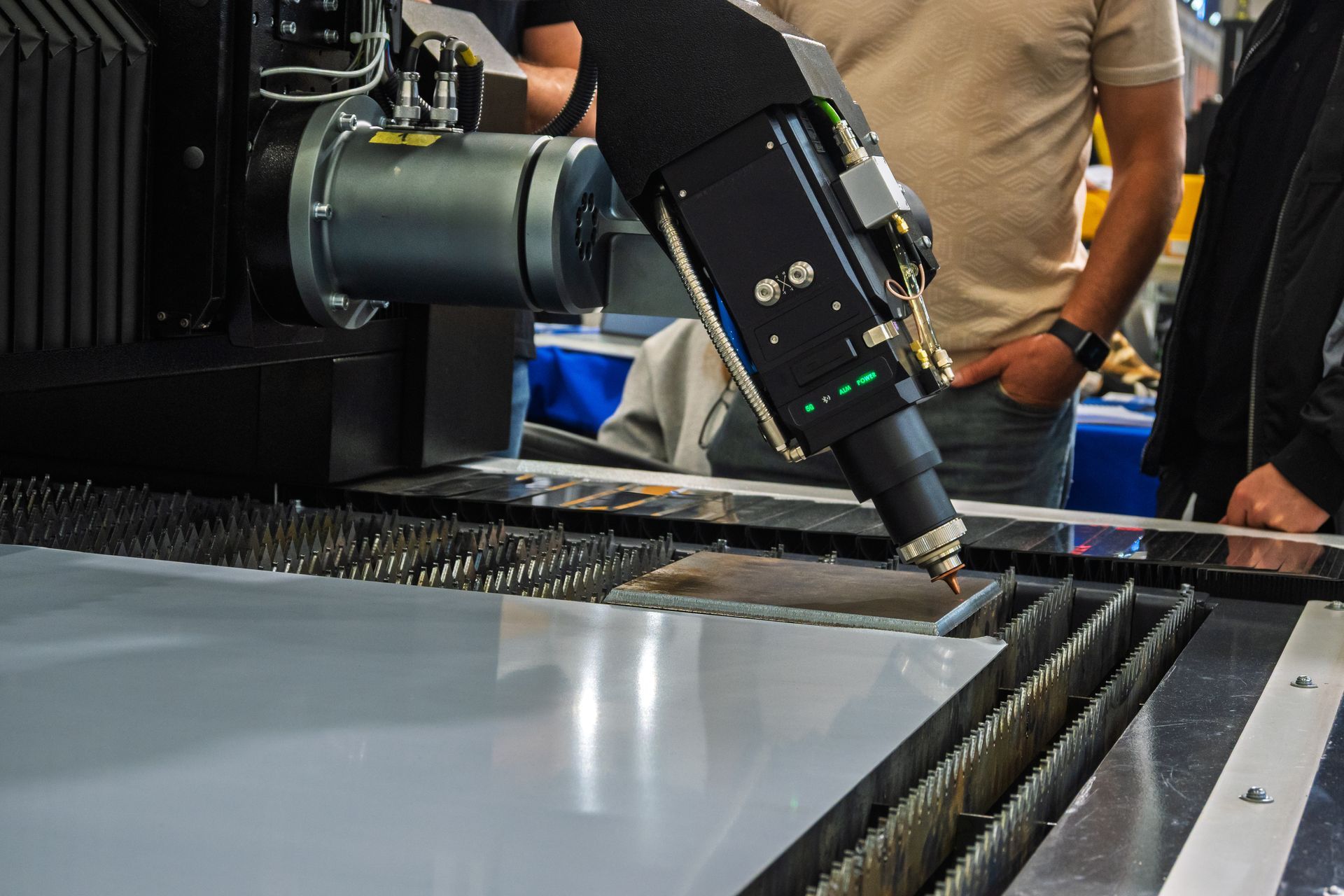
Metals (such as mild steel, stainless steel, and aluminium) are central to sheet metal design for enclosures, brackets, and structural parts. Material hardness and reflectivity can influence cut quality, so it is vital to specify the grade, finish, and thickness. The best results are achieved when metals are clean, flat, and free of coatings or contaminants.
Leather
For gaskets, industrial seals, and custom utility components, leather offers flexibility and a unique finish. Laser cutting delivers complex profiles without tool wear, but the type and tanning agents used in leather can impact both the cut and potential odours during processing.
Foam
Foam is common in protective packaging, transport inserts, and tool control solutions. The material’s density directly affects speed and cut quality. Open-cell and closed-cell foams each react differently during cutting. Ensure specifications are clear for optimal outcomes.
Material Thickness and Density: Performance Drivers
Material thickness and density are major factors in determining the success of any laser cut project.
• Thinner materials: These allow faster cutting speeds, lower heat-affected zones, and finer detail. Acrylic sheets up to 10mm, thin metals, and light ply are all efficient to process.
• Thicker materials: These require slower speeds and higher power. Excessive thickness, particularly in acrylic or metal, can lead to melted edges, tapering, or reduced accuracy.
• Density considerations: Acrylic and foams with lower densities are easier to cut but may require careful heat management. Metals and dense woods can necessitate more advanced machinery and additional post-processing.
Work with your provider to balance cut quality and project timelines based on the chosen material's characteristics. Always request sample cuts or technical advice if you are introducing a new material.
Materials to Avoid in Laser Cutting
Not every material is suitable for laser fabrication, even if it seems appropriate at first glance. Some can damage cutting equipment, produce toxic fumes, or yield poor outcomes. When planning your next project, steer clear of:
• PVC (Polyvinyl Chloride): When vapourised, PVC releases harmful chlorine gas that can damage machines and pose health risks.
• Coated Metals: Metals with paint, adhesives, or vinyl coverings can create hazardous fumes, lead to inconsistent cuts, and damage optics or filters.
• Polycarbonate (in Thickness): While thin sheets can sometimes be processed, polycarbonate tends to absorb laser energy unevenly, resulting in burnt edges and discoloured areas.
• Fibreglass: The resin and glass mix is difficult to cut cleanly and can emit irritating fumes.
• Certain Composites: Laminated and layered materials often contain adhesives, making them unpredictable and potentially hazardous for laser fabrication.
• Reflective Metals (Without Correct Setup): Highly reflective metals such as copper and brass can reflect the beam, risking both the workpiece and machine.
Clarify the suitability of your chosen material with your laser fabrication provider before finalising your design and procurement process.
Specifying Laser Fabrication Materials: Communicating With Your Provider
Accurate and transparent communication is essential for achieving precise outcomes in laser cutting. To avoid production issues and costly delays, use this practical checklist:
• Provide Precise Material Specifications: Always include the type (for example, ‘304 stainless steel’ or ‘cast acrylic’), thickness (in millimetres), and supplier if possible.
• Indicate Finish Requirements: If a particular surface finish or grain direction matters, state this clearly in your brief.
• Outline Acceptable Tolerances: Include dimensional tolerances, especially for components that interface or assemble with other parts.
• Share Drawings and CAD Files: Supply files in compatible formats to your provider, and highlight critical dimensions and cut paths.
• Clarify Quantity and Delivery Needs: Include batch sizes, repeat production intentions, and required turnaround times. This supports efficient production scheduling.
• List Any Post-Processing Needs: If parts must be deburred, cleaned, or finished, state this upfront.
• Discuss Sample Runs for New Materials: Where outcomes are uncertain, request a test cut to confirm compatibility and finish.
• Provide Safety and Compliance Details: If your project involves regulated materials or must meet Australian standards, include this information.
Establishing clear communication ensures predictable outcomes and enables your provider to recommend adjustments or alternative laser cutting materials to optimise the result.
Focusing on Quality and Reliability in Precision Engineering
For managers responsible for sourcing laser-cut parts, the stakes are high. Inconsistent quality, missed timelines, or non-compliance with material specs can disrupt entire projects. Partnering with a reputable fabricator who understands material behaviour, maintains advanced technology, and values proactive communication is key for mitigating risk.
Remain actively involved during specification, procurement, and review to ensure your materials and laser fabrication processes are aligned with project objectives. Reliable suppliers help reduce rework and guarantee that your final components arrive as expected.
Contact Us Today for Your Next Laser Cut Project
If your next project requires laser cutting expertise across acrylic, metal, wood, or alternative materials, Samin Sheet Metal offers comprehensive solutions that extend throughout your region. For practical advice and dependable turnaround, contact Samin Sheet Metal today.